WordPress SEO.
Built on stronger
foundations.
Optimize your enterprise WordPress instance. Clean up legacy database revisions, configure Redis caching, set up unified entity schema graphs, and explore headless development strategies.
From crawl control to Core Web Vitals. The technical details that make WordPress perform.
Clean architecture, search visibility, and reliable performance. Discover technical WordPress SEO resources. Optimize database configurations, configure Redis caching, set up custom schemas, and implement headless architectures.
Read more +
Optimize your enterprise WordPress instance. Clean up legacy database revisions, configure Redis caching, set up unified entity schema graphs, and explore headless development strategies.
From knowledge to implementation
Clean architecture, search visibility, and reliable performance.
Audit →Let’s talk about
your project
Book a free technical discovery call with our team.
Choose a time on Calendly ↗info@zestwebsolutions.com LET’S COLLABORATE
Technical discovery call
Share your goals and technical requirements. Discuss scope, priorities, and the right delivery model.
- Your project and business goals
- Technical requirements and timeline
- Scope, delivery, and next steps
A clear path from
knowledge to implementation
Technical SEO
⊕Core Web Vitals
⊕WooCommerce
⊕Business goals
⊕Technical requirements
⊕Priorities & scope
⊕Architecture review
⊕Implementation planning
⊕Code-level changes
⊕Performance budgets
⊕Structured documentation
⊕Peer review
⊕Functional verification
⊕Responsive checks
⊕Search validation
⊕Performance review
⊕Release documentation
⊕Ongoing monitoring
⊕WordPress expertise.
Beyond plugins and themes.
Tools and checklists support the work. Senior engineers stay responsible for architecture, implementation, and validation.
Your team
Set business goals and priorities
Share context and platform constraints
Review milestones and decisions
Own the client relationship
Choose the next step
Zest engineering team
Investigate technical root causes
Define architecture and implementation
Validate performance and search integrity
Document work and handoffs
Support ongoing technical delivery
Zest Web SolutionsEngineering teamClear architecture. Measurable performance.
People who take responsibility for the result.
Explore the core topics
Technical SEO
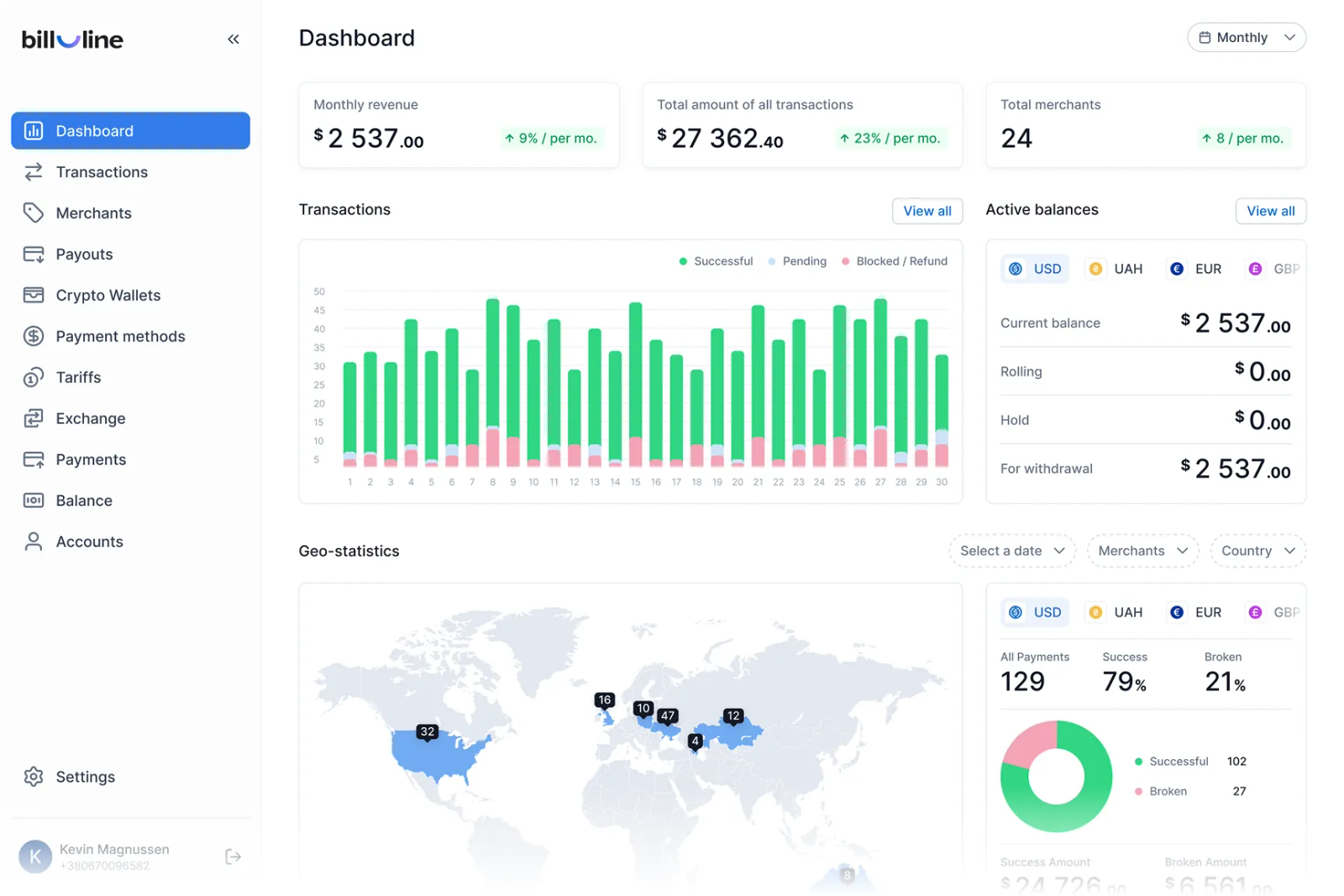
Clean architecture, search visibility, and reliable performance.
Explore this topicCore Web Vitals
Practical implementation guidance, with clear standards and validation steps.
Explore this topicHeadless WordPress
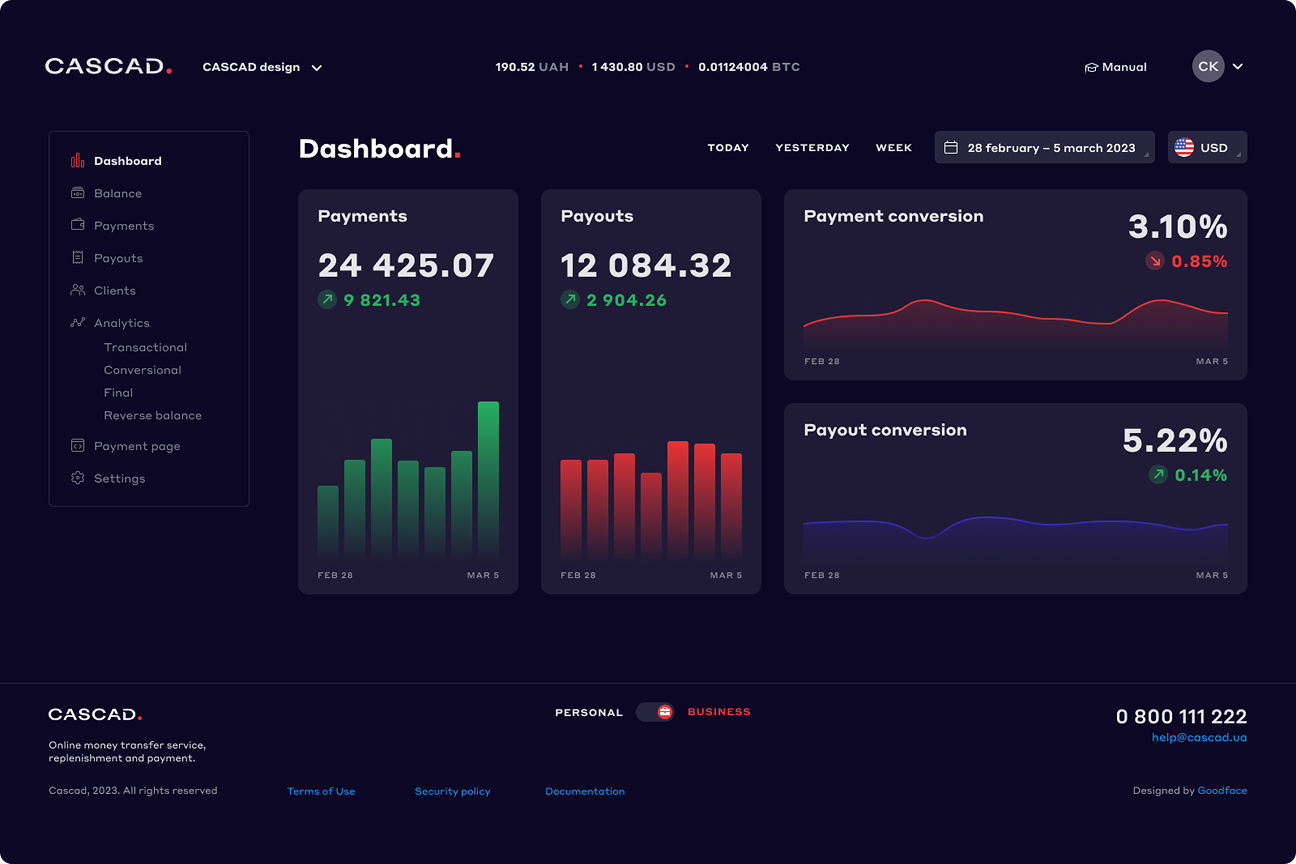
Connect technical decisions to performance, maintainability, and your business goals.
Explore this topicExplore the complete
knowledge hub.
Overview & key takeaways+
WordPress Map
-
- Hub Introduction
-
- Technical SEO
-
- Core Web Vitals
-
- Headless WordPress
-
- WooCommerce SEO
-
- Schema
-
- Security
-
- Performance
-
- Migration
-
- Internal Linking
-
- Pillar Resources
-
- Get Started
Key Takeaways
WordPress powers over 43% of the internet, but default setups are plagued by legacy code, slow database execution times, and disconnected plugin schemas. This Hub outlines the 10 critical areas of WordPress optimization to improve loading speed, secure search snippets, and scale content footprints.
2. Technical SEO+
Technical SEO forms the foundation of search presence. For WordPress websites, this requires managing permalink architectures, avoiding index loops, tuning Robots.txt directives, and managing redirects.
WordPress Redirect Configurations
Manage redirects at the server level (Nginx/Apache) to bypass slow PHP redirect plugins and maintain link value.
Robots.txt Crawl Control
Optimize your robots.txt directory blockings to restrict spiders from crawling admin areas and internal search paths.
3. Core Web Vitals+
Google uses Core Web Vitals (LCP, INP, CLS) as key ranking metrics. WordPress requires image offloading, script deferrals, and layout styling audits to hit sub-second speeds.
LCP Optimization for WP
Learn how to offload heavy media folders to CDNs and optimize above-the-fold hero rendering to decrease LCP times.
Resolving Cumulative Layout Shift
Ensure layout transitions remain stable. Specify image dimensions and avoid dynamically inserted elements.
4. Headless WordPress+
Decoupling the WordPress backend from the frontend display using frameworks like Next.js or React delivers sub-second speeds, robust security, and developer control.
Headless WordPress Development for Agencies
Discover why digital agencies are adopting headless architectures in 2026 to scale builds. Read our complete Headless WordPress Development for Agencies guide.
REST API vs. GraphQL in Headless WP
Compare APIs. Learn why GraphQL reduces data payload sizes and network transfer times on static site builds.
5. WooCommerce SEO+
WooCommerce is a powerful e-commerce platform. Optimizing it requires managing checkout paths, product variations metadata, and faceted search queries.
Faceted Search & URL Bloat
Prevent search crawlers from wasting crawl budget on dynamically generated parameter URL paths.
Product Schema nesting
Link WooCommerce inventories, pricing arrays, and review blocks inside a unified JSON-LD schema.
6. Schema+
Injecting structured data markup helps search engines parse page details. In 2026, nest schema entities inside a single, unified JSON-LD @graph.
Unified JSON-LD Graph Nesting
Combine disjointed page schemas into a single statement connecting Organization, Person, WebPage, and Article.
RankMath vs. Yoast Schema Overrides
Learn how to hook into WordPress SEO plugin templates to output custom entity graphs.
7. Security+
A compromised site is penalized by search engines. Secure your WordPress builds at the server level by disabling XML-RPC, enforcing HSTS, and blocking bot attacks.
Deactivating XML-RPC Endpoint
Block access to XML-RPC via Nginx or .htaccess rules to protect your site from brute-force attacks.
WAF & HTTP Security Headers
Verify that your server outputs modern security headers (CSP, HSTS, X-Frame-Options) to protect user sessions.
8. Performance+
WordPress performance relies on server configurations. Optimizing the backend requires upgrading to PHP 8.3+, activating HTTP/3, and using Redis.
Redis Object Caching
Configure Redis to cache database queries in memory, reducing load times to milliseconds.
PHP 8.3 & OPcache Configuration
Tune OPcache buffers, JIT compile settings, and max accelerated files to optimize PHP execution.
9. Migration+
Moving domain routes, databases, and assets presents migration risks. Run detailed URL scans and verify redirects to preserve domain authority.
Database Pruning before Migration
Prune revisions, metadata tables, and expired transients to minimize database size before migration.
ACF Data and Custom Index Mapping
Build custom indexes inside MySQL to support Advanced Custom Fields query performance post-migration.
10. Internal Linking+
Clear link paths make it easier for search spiders to crawl your site. Build logical parent-child hierarchies and add internal links across related articles.
Contextual Linking Strategies
Learn how to connect pages internally using natural anchor text to improve crawling efficiency.
Reducing Click Depth Loops
Audit page architectures to ensure all indexable assets are accessible within 2-3 clicks of the homepage.
11. Pillar Resources+
Explore our cornerstone WordPress Technical SEO and performance guides for agencies and storefronts:
Technical SEO WordPress Checklist (2026)
Our complete senior growth engineering guide to optimizing database tables, server TTFB, and schema graphs in WordPress.
Headless WordPress Guide for Scale
A comprehensive strategic guide detailing Next.js integrations, API caching layers, and decoupled CMS architectures.
Engineers On Demand
Need an Engineer to Implement This?+
Partner with our senior engineering team to optimize your databases, set up custom schema graphs, or migrate to a decoupled headless architecture under NDA.
Discuss Your Project → Explore Agency Partnership → Get a Free Technical Audit →
No matching topics. Try a different search.
Knowledge that makes
a practical difference.
Code-level thinking
Understand the technical cause behind the symptom, then make a targeted change.
Performance by design
Apply Core Web Vitals, clean architecture, and sensible performance budgets.
Search-ready foundations
Treat crawlability, structured data, and indexing as part of the implementation.
Clear validation
Use repeatable checks to verify that the work meets the agreed standard.
Complete ownership
Maintainable code, useful documentation, and transparent delivery.
A practical next step
Turn findings into a prioritized roadmap, checklist, or engineering brief.
Our working standardSince 2012Your agency owns the relationship.
We take ownership of the technical delivery.
Important numbers
behind our engineering
years of engineering
since 2012
digital assets delivered
Delivered.
Measured. ↗
13 verified reviews
senior in-house
technical experts
Let’s turn knowledge
into your next advantage.
Let’s talk about
what you need.
Speak directly with a senior technical lead. NDA available. No sales pressure.
Speak directly with a senior technical lead. To reach the team now, email us or book a call.
FAQ
What is WordPress Technical SEO?
WordPress Technical SEO involves configuring server execution, tuning permalink redirection scripts, setting up memory caches, and outputting JSON-LD entity graph schemas.
How does Headless WordPress improve SEO?
Headless WordPress decouples front-end displays using modern frameworks like Next.js to produce sub-second page rendering and eliminate rendering delays.